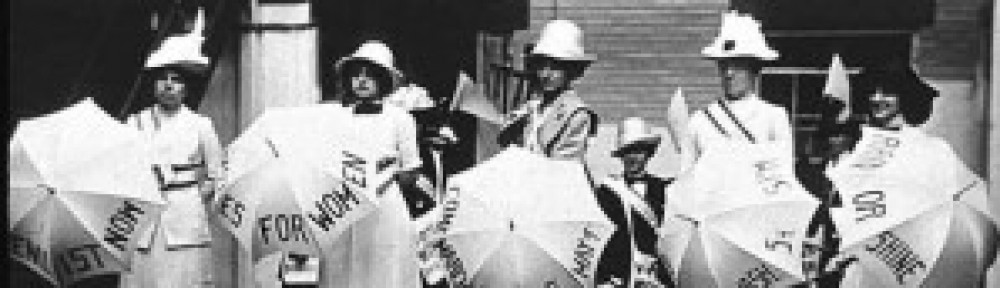
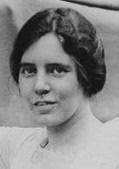
 Suffragist Mrs. Robert Walker
(President, NWP, Baltimore, MD)
aka, Amelia Himes, Swarthmore, Class of 1902
Arrested July 14, 1917 for picketing in front of the White House – Served 60 days at Occoquan Workhouse
The Suffragist Story
Occoquan Regional Park, Virginia
“Turning Point Suffragist Memorial”
Alice Paul, (January 11, 1885 – July 9, 1977)
Key Leader in the Suffragist movement & in ensuring the passage of the 19th Amendment to the Constitution
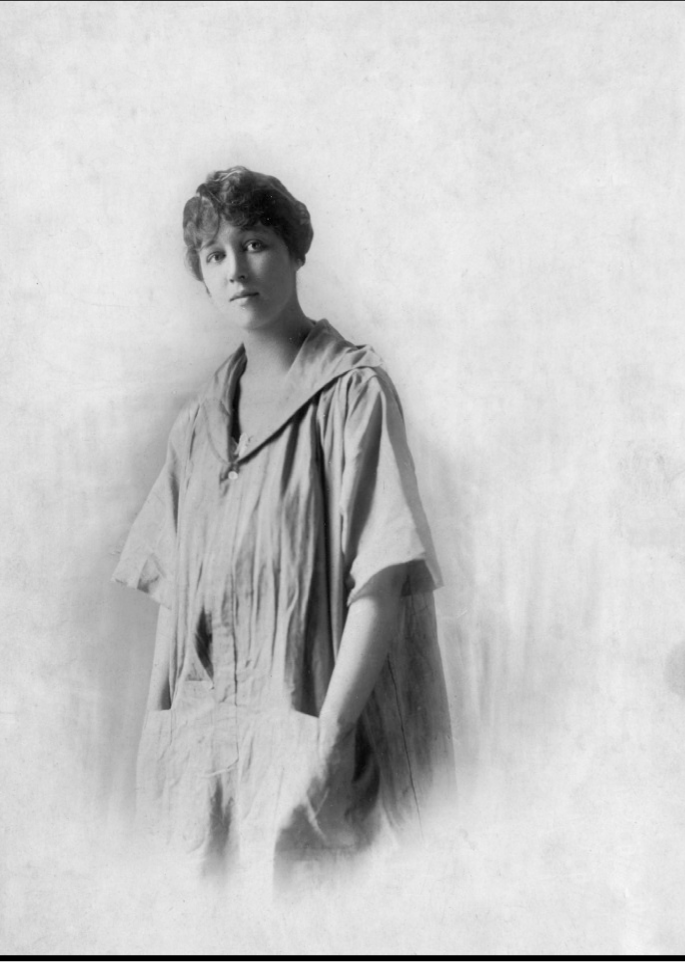 “On January 10, 1917, a dozen pickets with banners appeared at the gates of the White House. No matter the weather the pickets continued day after day. Some of the banners asked the President: ‘How long must women wait for liberty?’. Others read, ‘We shall fight for the things which we have always carried nearest our hearts. For democracy, for the right of those who submit to authority to have a vote in their government.’ The source of this last quote came from President Woodrow Wilson’s war message to Congress, April 2, 1917. The picketing became an embarrassment to the Wilson administration and after six months of peaceful picketing, marred only by occasional verbal insults from passersby, the arrests began. On June 26, six women were found guilty on the charge of obstructing traffic, warned by the court of their ‘unpatriotic, almost treasonable behavior’ and sentenced to pay a fine of $25 or serve three days in jail. Refusing to pay the fine, they became the first women in the country to serve terms of imprisonment for demanding suffrage. The pickets continued to be arrested during August, September, October and November. Charged with unlawful assembly, sentences ranged from 30 to 60, to 90 days and in some instances six months. Some were sent to the District of Columbia’s jail, but the majority were sent to the Occoquan Workhouse. Forty were sent to Occoquan on a single day in November. Some 123 women were taken to Occoquan during this time and abused, had their clothes taken from them, forced to wear coarse clothing with no undergarments and shoes with no right or left foot. They were ordered to perform prison work; to sew undergarments for the male prisoners. Those that refused to work were put in solitary confinement, fed bread and water for eleven days, forced to scrub floors, given worm-infested, contaminated food, hand-cuffed, tortured, force fed, beaten, threatened with having to wear straight-jackets, and stripped of their clothes – these women risked their lives and reputations so American women would have the opportunity to have a voice in the government of the United States of America. The 19th Amendment’s passage was proclaimed on August 26, 1920. Historian Evelyn L. Pugh noted, “It had been 72 years since Seneca Falls. In a poignant footnote to history, there was one woman alive who had attended that convention and who voted in the 1920 election. The woman suffrage prisoners at Occoquan, by directing increased public attention to the cause, had contributed significantly to that victory. They were, in effect, standing on the shoulders of earlier leaders who had paved the way. On February 14, 1920, the Chicago Convention was the last for the National American Woman Suffrage Association (NAWSA). Now having been officially dissolved, the delegates voted to proceed under the banner of the National League of Women Voters with Maud Wood Park as the first president. Numerous key leaders in the Northern Virginia area would include Dr. Kate Waller Barrett, Lucy Madeira and Susan Reviere Hetzel.” [adapted and excerpted from, “ Remember the Ladies…”, Bernice Colvard]